
The Cornerstone to Our Success
An elevator guide rail clip is an important fastening component used in elevator guide rail systems. It works together with guide rail brackets, bolts, and other fastening components to help maintain the correct position of the guide rails.
Since guide rails need to maintain accurate alignment during elevator operation, the compatibility and quality of the rail clip can affect the installation performance and long-term stability of the guide rail system.
When selecting an elevator guide rail clip, buyers should not only consider dimensions but also evaluate factors such as guide rail specifications, installation structure, material properties, fastening requirements, and operating environment.
The first step when choosing an elevator guide rail clip is confirming the guide rail specifications. Different guide rail models may vary in base dimensions, thickness, and installation structure, so the rail clip needs to match the specific guide rail and bracket system.
An improperly matched clip may affect the contact condition between the clip and guide rail, which can influence installation accuracy. Before purchasing, it is recommended to confirm:
· Guide rail model and specifications;
· Guide rail base dimensions;
· Rail clip installation position;
· Matching bracket structure.
For replacement projects, buyers should also check original component information or installation drawings instead of selecting a product only based on appearance.
Elevator guide rail clips are generally manufactured from metal materials and need to provide sufficient mechanical strength for the intended application.
Since a rail clip works together with guide rails, brackets, and fasteners as a complete fixing system, material properties and manufacturing accuracy can influence the overall installation performance.
When evaluating a rail clip, consider:
· Whether the material meets project requirements;
· Whether dimensional accuracy is consistent;
· Whether surface treatment is suitable for the installation environment.
For projects exposed to humidity or corrosive conditions, appropriate surface protection should also be considered.
A rail clip does not work independently. It is installed together with bolts, nuts, washers, and guide rail brackets to form a complete fastening system.
When selecting a rail clip, check:
· Whether the fastener specifications are compatible;
· Whether the connection method meets installation requirements;
· Whether the adjustment method is suitable for the guide rail system.
The installation of guide rail fixing components should follow the requirements of the complete system rather than focusing on a single component only.
Different elevator applications may have different requirements for guide rail fixing components.
For high-speed elevators, heavy-load elevators, or special operating environments, the rail clip should be selected according to the overall guide rail system design requirements.
Elevators are designed for long-term operation, and guide rail fixing components need to maintain stable dimensions and performance over time.
When purchasing an elevator guide rail clip, buyers should pay attention to:
· Dimensional consistency;
· Manufacturing accuracy;
· Quality inspection procedures;
· Supplier production capability.
Stable manufacturing quality helps reduce installation deviations and improves compatibility within the guide rail system.
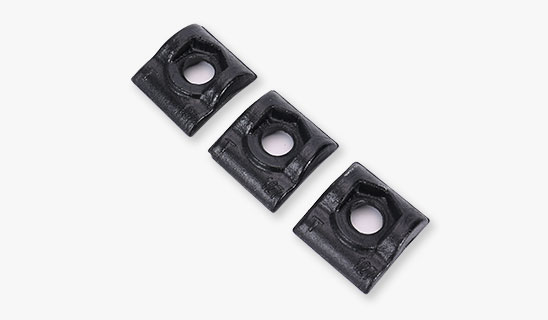
Similar dimensions do not always mean the same compatibility. Guide rail base structure, contact areas, and installation methods can affect whether a rail clip is suitable.
A rail clip needs to work together with guide rail brackets and fasteners. Replacing only the clip without checking the complete fixing system may not achieve the required installation result.
When selecting a rail clip, buyers should also consider material performance, manufacturing accuracy, and supply reliability.
▸ Please Note: When selecting an elevator guide rail clip, buyers should not only consider dimensions but also evaluate factors such as guide rail specifications, installation structure, material properties, fastening requirements, and operating environment.
The correct rail clip should be selected based on the guide rail type, dimensions, bracket structure, and installation requirements.
Not always. Similar-looking clips may have different dimensions or installation requirements, so compatibility should be confirmed before use.
Buyers should provide guide rail specifications, installation details, drawings, or original component information to ensure proper matching.
A rail clip should be checked for deformation, corrosion, or damage during maintenance and replaced if it no longer meets installation requirements.